Business Name: BeeHive Homes of Maple Grove
Address: 14901 Weaver Lake Rd, Maple Grove, MN 55311
Phone: (763) 310-8111
BeeHive Homes of Maple Grove
BeeHive Homes at Maple Grove is not a facility, it is a HOME where friends and family are welcome anytime! We are locally owned and operated, with a leadership team that has been serving older adults for over two decades. Our mission is to provide individualized care and attention to each of the seniors for whom we are entrusted to care. What sets us apart: care team members selected based on their passion to promote wellness, choice and safety; our dedication to know each resident on a personal level; specialized design that caters to people living with dementia. Caring for those with memory loss is ALL we do.
14901 Weaver Lake Rd, Maple Grove, MN 55311
Business Hours
Monday thru Sunday: 7:00am to 7:00pm
Facebook: https://www.facebook.com/BeeHiveMapleGrove
The minute a parent needs more aid than you can securely supply, every little thing gets very actual. You see the accounts payable stacked under the fruit dish, the dent on the garage door no one bears in mind making, the pillbox still full on Friday. It's not that your parent has actually transformed overnight. It's that the scaffolding they developed to conceal tiny gaps has actually finally started to totter. That is typically when families begin asking the very same concern: what does good elderly care resemble for my moms and dad, ideal now?
You do not need to have all the responses today. What you do require is a clear view of the landscape, the language people utilize, and the practical steps that move you from concern to a solid strategy. I have actually assisted family members through these crossroads for several years, from fiercely independent eighty-year-olds that only required a light touch to couples encountering the disorienting maze of mental deterioration treatment. If you can separate advertising and marketing fluff from the realities of day-to-day live, the course ahead becomes manageable.
What "treatment" really indicates day to day
Strip away the labels and senior care has to do with three buckets: safety, health, and happiness. Safety and security suggests your moms and dad can move, shower, and manage their home without frequent falls or emergencies. Health indicates drugs are taken properly, problems like diabetic issues and heart disease are monitored, and medical professional gos to are maintained. Happiness is typically disregarded in lists, yet it's the gas that maintains individuals engaged. The best older treatment honors all three.
Where your parent sits on this triangular dictates the right degree of assistance. A retired teacher that cooks, drives, and gardens might thrive with occasional help paying bills and an adventure to the cardiologist. A retired mechanic who leaves the stove on and wanders after sunset requires something much more secure. The method is matching real demands with the least intrusive support that still maintains everyone safe.
Decoding the main options
Most families hear a blizzard of terms. Some overlap, some are regulated classifications, and some are simply advertising and marketing. Right here is the plain-English breakdown.
Staying home with support
Home can be the appropriate area if the setting is risk-free and the care fits progressing needs. Family members usually begin with home modifications like grab bars, brilliant lighting, and removing toss carpets. From there, you can layer services.
Non-medical home treatment covers assist with everyday activities such as showering, clothing, toileting, dishes, light housekeeping, and friendship. Agencies generally supply per hour sees with a four-hour minimum. Expenses vary by area, however in many metro locations you'll see rates from 28 to 40 dollars an hour, in some cases greater. The advantage is versatility and experience. The trade-off is range: as requirements increase, you may wind up spending for long changes or overnights. Staffing consistency also fluctuates.
Home health and wellness is various. It is medical, driven by a physician's order, and covered by Medicare for brief stints after a hospitalization or when a person is homebound and needs experienced nursing, physical therapy, or wound treatment. It does not replace day-to-day caregiving. It drops in, addresses the professional job, and leaves.
Adult day programs supply structure and reprieve. They can be a lifesaver for a parent that requires supervision while you function. Excellent programs include meals, social tasks, supervision, and often transportation. Specialized memory treatment day programs include dementia-friendly routines.
Families often stitch together all 3. For instance, your mother might participate in grown-up day 2 days a week, have non-medical home treatment 3 afternoons, and receive short-lived home health and wellness after an autumn. That mosaic can work well if a person collaborates the pieces.
Assisted living
Assisted living sits in between home care and a nursing center. Think of it as a home with hotel-like solutions plus care personnel on site. Locals obtain their own studio or one-bedroom, dishes, housekeeping, maintenance, and aid with day-to-day activities. Most areas likewise arrange trips, exercise courses, and the foreseeable Tuesday bingo scene. Fees generally cover rental fee and standard services, then care is tiered based upon needs.
Assisted living makes good sense when your moms and dad is mostly independent but needs constant assistance or a much safer setting. Instances consist of medicine management, cueing to wash, a reminder to transform compression socks, or a person nearby if dizziness strikes. It can be a solid choice for an assisted living for moms and dad circumstance where you desire the social lift of next-door neighbors, foreseeable meals, and the peace of mind of personnel 1 day a day.
Families worry about the loss of home. Here's what has a tendency to work out nerves: you can establish the home with familiar furnishings, images, and a favored chair. Your moms and dad still holds a trick, selects meals, and signs up with tasks at their own pace. The biggest shift is shared spaces and regimens. The most significant alleviation is understanding that if your daddy insinuates the shower room at 2 a.m., a person will really hear the telephone call necklace and come.
Memory care
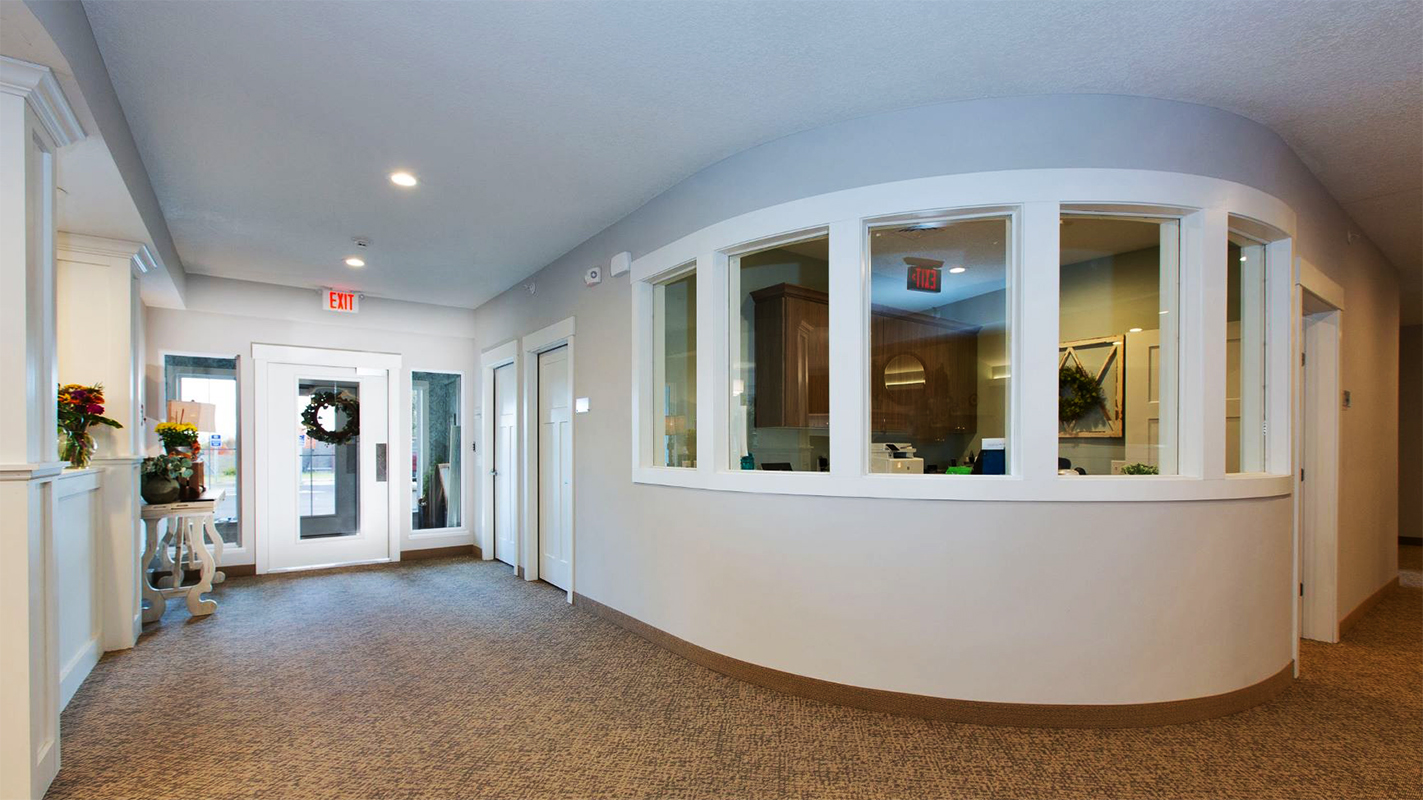
Memory care exists inside some assisted living communities or as a specialized building. It is created for people dealing with Alzheimer's or other dementias who require secured rooms and specialized shows. Staff are trained to handle roaming, frustration, and the one-of-a-kind patterns of cognitive modification. Hallways loop to stay clear of stumbling blocks. Lights assists with "sundowning." Activities focus on sensory comfort and success instead of short-term memory.
Families generally start discovering memory take care of moms and dads after assisted living a scare: a kitchen area fire, straying from home, or medication confusion that no more enhances with assistance. You can still find pleasure below. I have seen homeowners illuminate when folding towels in a silent room, singing tunes from the 1950s, or walking a secure yard garden every morning. The treatment is a lot more organized. The structure is secured. The goal is dignity, security, and moments of connection in an illness that slowly steals both.
Skilled nursing and rehabilitation
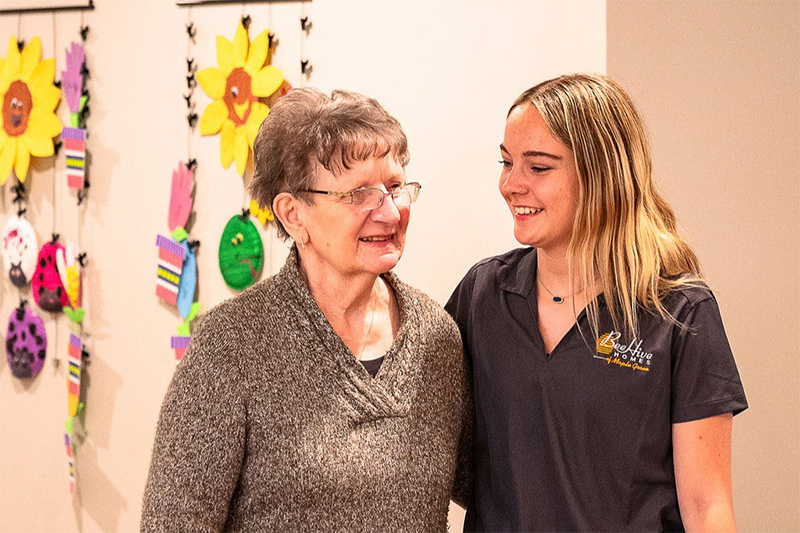
Skilled nursing centers, frequently called retirement home, provide 24-hour nursing care. They can be short-stay for rehab after a health center remain, or long-lasting for complicated medical requirements such as feeding tubes, progressed wounds, or a mix of mental deterioration with high physical care. Medicare covers rehabilitation days that satisfy standards, typically approximately 20 completely covered, after that a copay out to 100 days. Long-term custodial treatment is a different economic image, commonly personal pay or Medicaid.
Skilled nursing is proper when medical needs are as well heavy for assisted living or home caretakers. The trade-off is a much more professional atmosphere. For some, the tranquility of having nurses constantly existing outweighs the loss of apartment-style living.
How to gauge what your parent truly needs
If you ask your parent whether they are risk-free at home, they will likely say yes. Satisfaction and concern of losing control impend huge. Rather than discussing, seek unbiased indicators.
Start with tasks of day-to-day living: showering, dressing, toileting, transferring, eating, and continence. The amount of need cueing or hands-on assistance? After that check critical tasks: food preparation, buying, driving, managing medications, housework, financial resources, and using the phone. Matter errors and near misses, not just tragic failures. Two or 3 expanding gaps usually signify it's time to include organized help.
Next, consider cognition. Does your mother forget current discussions yet remember childhood years? Does your dad get lost on acquainted courses or misplace money in unusual areas, like the fridge freezer? Repeating questions, poor judgment concerning strangers, and suspiciousness regarding family members commonly point to very early mental deterioration. A memory facility evaluation can give a baseline. You don't require a formal label to act, yet it aids with planning.
Falls matter the majority of. One serious loss with a crack increases the threat of another. Regular near-falls or holding onto furnishings during brief strolls program that home dangers need resolving or that there might be a much better setup altogether.
Medications are an additional warning. If your parent takes greater than 5 day-to-day meds, mistakes creep in. Consider medication monitoring in assisted living or blister packs and smart dispensers in the house. Tablet organizers work just if someone dependable collections and monitors them.
Finally, check out the caretaker. If you are the grown-up child providing most of the care, how are you resting? Are you missing work or neglecting your very own physician consultations? Fatigue creeps up. I've seen even the most committed spouses struck a wall surface after a year of nighttime straying. Creating a strategy that secures the caretaker is not selfish, it is sustainable.
The money inquiry, handled plainly
Care is pricey. Pretending or else delays helpful choices. Prices vary widely by place, however there are patterns.
Home care accumulates as requirements expand. 10 hours a week might land around 1,200 to 1,600 bucks a month. Round-the-clock care typically covers 18,000 to 22,000 dollars a month and can be even greater. Helped living usually varies from 4,000 to 7,000 bucks monthly for rent and solutions, with care costs layered in as requirements increase. Memory care standards higher, often 5,500 to 9,000 bucks or more because of staffing and safety. Experienced nursing can surpass 10,000 dollars a month for long-lasting remains when not covered by insurance.
Medicare does not pay for long-term custodial care in assisted living or in the house. It covers skilled, time-limited services. Long-term care insurance policy, if purchased years earlier, may pay an everyday amount as soon as benefit triggers are fulfilled, normally after a waiting period. Professionals and making it through spouses may get the Help and Participation pension plan if they fulfill medical and economic criteria. Medicaid can cover long-lasting take care of those with limited possessions and income, either in a nursing facility or via state home and community-based services waivers. These programs have waiting checklists and policies that compensate very early planning.
Downsizing the home can fund care, yet moving swiftly after a wellness dilemma rarely brings the very best sale. Families occasionally make use of a bridge loan or a temporary rental strategy to avoid fire-sale pricing. A reverse home loan can sustain home care when the strategy is to continue to be at home for several years, however it is not a fit if a relocate to helped living is likely within a year or 2. Speak with a fiduciary monetary coordinator who does not gain commissions from products. The numbers are also significant to navigate with sales pitches.
How to scenic tour and what to ask, without obtaining snowed
Marketing supervisors are trained to say yes. You require to verify what yes means in technique. Excursion twice ideally, as soon as revealed and when unannounced at a different time. If you're exploring assisted living or memory take care of parents, stroll during a nourishment and throughout late afternoon when residents can really feel restless.
In the first browse through, absorb just how the area feels. Residents must look involved, not parked in hallways. The structure needs to scent neutral, not like air freshener attempting to mask another thing. See team face homeowners. A hand on a shoulder, a welcoming utilizing a name, and patient pacing are excellent signs. Inquire about staff ratios on the flooring your parent would certainly survive, not simply typical proportions. Ask exactly how often staff turn over and exactly how they schedule training for dementia behaviors.
The 2nd see is for details. Testimonial the evaluation that drives care costs and request for example rates. Ask who takes care of insulin, oxygen, or unique diet regimens. Make clear whether the area can sustain your parent if requirements enhance. Some assisted living communities can not handle two-person transfers or significant roaming. If someone says they can always "bring in added treatment," that means employing exclusive caretakers on top of month-to-month charges. It is sometimes the right course, however you must understand the costs.
Spend 5 minutes with the task schedule and the actual activity area at that moment. Calendars can be glossy; reality is extra dull. If the task board says "exercise," see that exists and what they are doing. If the board says "trips," ask the number of citizens commonly go and just how transportation works.
Medication administration is worthy of a straight answer. Who fills up the med cart, exactly how usually are errors audited, and what takes place if a drug is missed out on? Ask just how late night or morning drugs are supplied. If your daddy takes Parkinson's medicine on a rigorous routine, a one-hour hold-up is a big deal. Test the precision.
When your parent declines help
This is the thorniest component for several households. Your mom insists she is fine after leaving soup steaming for an hour. Your daddy laughs off a minor car accident as "simply a scratch." Arguing seldom aids. Reframe the discussion around things your moms and dad worths. For a retired accounting professional, the goal could be protecting the capacity to live where they desire by showing good judgment now. For a grandparent, the hook could be seeing the teenager graduate without putting any individual in danger on the road.
Use the medical professional as a neutral voice. People accept recommendations from clinicians that they deny from youngsters. Ask the primary care carrier to compose "no driving" in the check out note if it is necessitated. For home assistance, begin small, structure it as housekeeping or "a person to assist me assist you," and choose a caregiver that matches your parent's personality. A former instructor may connect with a caregiver who brings crossword challenges. A gardener might be more open up to a caregiver that strolls the backyard and talks plants.
If memory loss is substantial and safety and security is at risk, you might require to use the authority in a durable power of lawyer or a healthcare proxy. I've seen persistent parents approve a move to assisted living when it is referred to as a temporary "trial" after a hospitalization. Several do not wish to go back when they realize they are much less lonesome and much more stable.
The human side of moving
Moves are tough at any kind of age. The most awful results comply with rushed moves without familiar supports. Bring the favorite quilt, the recliner chair, the framed wedding celebration photo, and the old radio your papa tinkered with. Location furnishings in about the same setup as at home. Keep the first week quiet. Too many visitors can overwhelm a currently exhausted brain.
Expect a dip after the step, also in the right location. Cravings can wane, sleep can be unpredictable, and complication can spike. Within two to four weeks, most individuals stabilize. The pen I seek in assisted living is an easy one: is your moms and dad walking to the dining-room without motivating and sitting with the exact same tablemates most dishes? In memory treatment, it's whether they quit watching staff and settle right into one or two tasks they like, even if that is simply music time and a brief walk.
Visit at different times. Mornings show regular; afternoons expose whether the community can manage uneasyness. Don't hover at the beginning of every task. It makes it harder for staff to create their own relationship with your parent. Rather, discover your functions. One daughter I collaborated with brought fresh strawberries every Sunday and rested with her mother in the courtyard for half an hour. That routine did more to soothe her mommy's week than any amount of daily drop-ins.
Planning in advance for changes
Care requirements do not remain still. A parent flourishing in helped living today could need memory care in a year or more aid after a stroke. Construct flexibility into your strategy. Choose a community with both assisted living and memory care under one roof covering if dementia is most likely. Ask exactly how interior transfers work and whether your parent keeps their very same medical professional and drug store services.
For pairs with various requirements, consider a design that maintains them close. Some neighborhoods enable one partner in assisted living and the various other in memory treatment on the very same school, with shared eating at lunch. I saw a hubby visit his partner every early morning for coffee, then return to his apartment or condo for the mid-day bridge game. He protected his relationships and still appeared for her daily.
At home, set checkpoints. Reassess after a fall, a hospitalization, or a new medical diagnosis. That could imply raising home treatment hours, including a medical alert system that really obtains used, or generating a geriatric treatment manager to collaborate professionals. Care managers gain their fee when things get complicated. They know which home health and wellness agencies turn up, which helped living communities in fact honor treatment strategies, and just how to push when a drug store slips.
An uncomplicated method to choose
When families ice up in uncertainty, it is usually because they are contrasting apples to orchards. Streamline. Create the leading three non-negotiables based upon your parent's worths and your truth. Security overnight, competent drug management, and social connection might be your list. Then contrast just those 3 throughout the top challengers. If a location nails two and can enhance the 3rd with a moderate tweak, that is a solid candidate.
You can likewise test-drive. Lots of assisted living neighborhoods use reprieve keeps for a few weeks. A brief remain can respond to more concerns than any trip. If your parent rejects, structure it as rehabilitation or "an area to obtain stronger" after a hospitalization. If it goes badly, you discovered without a full lease. If it goes well, you have momentum.
A short, useful checklist for following steps
- Clarify needs with a written listing of everyday jobs that are hard currently and the ones you worry about in 6 months. Define the budget range, including what is practical month-to-month and what possessions might support treatment later. Tour 2 to 3 areas, once scheduled and as soon as unannounced, and speak to current family members if possible. Line up legal basics: durable power of attorney, healthcare proxy, HIPAA launch, and a straightforward list of accounts and medications. Set a 60-day review date to adjust the plan based upon what is functioning and what is not.
The role of pleasure, not as an additional however as a pillar
Amid broach costs, degrees of treatment, and memory treatment systems, it is simple to fail to remember that your parent is still your moms and dad, not a package of tasks. Pleasure belongs in the treatment plan. If your mother enjoyed the symphony, find the assisted living that brings musicians in monthly or streams performances on a cinema. If your father held court at the restaurant every morning, try to find a structure with coffee in the entrance hall and chairs where locals gather, not simply formal dining. In memory care, joy could be less complex: a cozy covering in the afternoon, a treatment canine check out, or the rhythm of peeling off apples in a cooking area group.
The caregivers that stand out are the ones who learn 2 or three personal details and utilize them. I'll never forget the assistant who established a folded up paper before a retired journalist at morning meal. He would smooth it, read a headline or more, and his shoulders would certainly go down. That little regard for who he had been altered his mornings.
Final ideas to consistent your hand
You will second-guess yourself. That is part of loving someone through change. The measure of a good plan is not excellence, it is positioning with your parent's needs and your capability to maintain it. Assisted living, elderly care in the house, memory treatment, or a mix of supports can all be best options. The incorrect selection is doing nothing while the dangers stack up.
Start with safety and security, health and wellness, and happiness. Gather clear realities. See, validate, and depend on what you see. If you are discovering aided living for moms and dad or trying to make a decision whether memory take care of parents is needed, remember you can readjust as you find out. A lot of families wind up stating they want they had relocated previously, not later on. And when the plan lastly fits, you uncover something vital: the time and power to be a little girl or son again, not simply a caregiver. That is the silent present of obtaining senior care right.
BeeHive Homes of Maple Grove provides assisted living care
BeeHive Homes of Maple Grove provides memory care services
BeeHive Homes of Maple Grove is a memory care home for seniors
BeeHive Homes of Maple Grove provides respite care services
BeeHive Homes of Maple Grove offers 24-hour support from professional caregivers
BeeHive Homes of Maple Grove offers private bedrooms with private bathrooms
BeeHive Homes of Maple Grove provides medication monitoring and documentation
BeeHive Homes of Maple Grove serves dietitian-approved meals
BeeHive Homes of Maple Grove provides housekeeping services
BeeHive Homes of Maple Grove provides laundry services
BeeHive Homes of Maple Grove offers community dining and social engagement activities
BeeHive Homes of Maple Grove features life enrichment activities
BeeHive Homes of Maple Grove supports personal care assistance during meals and daily routines
BeeHive Homes of Maple Grove promotes frequent physical and mental exercise opportunities
BeeHive Homes of Maple Grove provides a home-like residential environment
BeeHive Homes of Maple Grove creates customized care plans as residents’ needs change
BeeHive Homes of Maple Grove assesses individual resident care needs
BeeHive Homes of Maple Grove accepts private pay and long-term care insurance
BeeHive Homes of Maple Grove assists qualified veterans with Aid and Attendance benefits
BeeHive Homes of Maple Grove encourages meaningful resident-to-staff relationships
BeeHive Homes of Maple Grove delivers compassionate, attentive senior care focused on dignity and comfort
BeeHive Homes of Maple Grove has a phone number of (763) 310-8111
BeeHive Homes of Maple Grove has an address of 14901 Weaver Lake Rd, Maple Grove, MN 55311
BeeHive Homes of Maple Grove has a website https://beehivehomes.com/locations/maple-grove/
BeeHive Homes of Maple Grove has Google Maps listing https://maps.app.goo.gl/n99VhHgdH879gqTH8
BeeHive Homes of Maple Grove has Facebook page https://www.facebook.com/BeeHiveMapleGrove
BeeHive Homes of Maple Grove won Top Memory Care Homes 2025
BeeHive Homes of Maple Grove earned Best Customer Service Award 2024
BeeHive Homes of Maple Grove placed 1st for Senior Living Memory Care Communities 2025
People Also Ask about BeeHive Homes of Maple Grove
What is BeeHive Homes of Maple Grove monthly room rate?
The rate depends on the level of care that is needed. We do an initial evaluation for each potential resident to determine the level of care needed. The monthly rate is based on this evaluation. There are no hidden costs or fees
Can residents stay in BeeHive Homes of Maple Grove until the end of their life?
Usually yes. There are exceptions, such as when there are safety issues with the resident, or they need 24 hour skilled nursing services
Does BeeHive Homes of Maple Grove have a nurse on staff?
Yes. We have a team of four Registered Nurses and their typical schedule is Monday - Friday 7:00 am - 6:00 pm and weekends 9:00 am - 5:30 pm. A Registered Nurse is on call after hours
What are BeeHive Homes of Maple Grove's visiting hours?
Visitors are welcome anytime, but we encourage avoiding the scheduled meal times 8:00 AM, 11:30 AM, and 4:30 PM
Where is BeeHive Homes of Maple Grove located?
BeeHive Homes of Maple Grove is conveniently located at 14901 Weaver Lake Rd, Maple Grove, MN 55311. You can easily find directions on Google Maps or call at (763) 310-8111 Monday through Sunday 7am to 7pm.
How can I contact BeeHive Homes of Maple Grove?
You can contact BeeHive Homes of Maple Grove by phone at: (763) 310-8111, visit their website at https://beehivehomes.com/locations/maple-grove, or connect on social media via Facebook
Visiting the Elm Creek Park Reserve provides a big outdoor environment for assisted living, memory care, senior care, and elderly care residents to explore nature on a peaceful respite care trip.